What are the most important dietary changes for tall individuals to enhance their height growth?
-
all4tall.com -
Aktualisiert November 3, 2025 at 8:29 PM -
130 Views -
Approx. 9 minutes reading time
Shop here
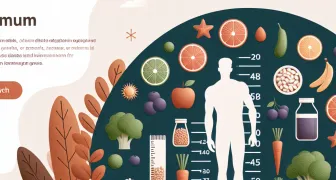
Essential Nutrients for Growth
Height growth is a complex interplay of genetics and environmental factors, with diet playing a pivotal role. For tall individuals aiming to enhance their height growth, understanding essential nutrients is crucial. Micronutrients such as zinc and magnesium are often overlooked but are vital for bone health and growth. Zinc, found in foods like nuts and whole grains, supports cellular metabolism and the synthesis of proteins necessary for growth. Magnesium, on the other hand, plays a role in over 300 biochemical reactions in the body, including those that regulate muscle function and energy production.Iron is another key player in this nutritional symphony. It aids in oxygen transport throughout the body, which is essential for overall health and vitality. Foods rich in iron include leafy greens, legumes, and lean meats. Incorporating these into daily meals can significantly impact energy levels and overall well-being. Moreover, antioxidants such as vitamins A and C contribute to tissue repair and immune function.
These vitamins can be found abundantly in fruits like oranges, berries, and vegetables such as carrots or spinach. They not only support general health but also create an optimal environment for growth. Incorporating diverse food sources ensures that all necessary nutrients are consumed regularly. A varied diet not only prevents deficiencies but also promotes a balanced intake of essential nutrients that work synergistically to support height development. Focus on nutrient density rather than calorie count can lead to better health outcomes. Whole foods should be prioritized over processed options to maximize nutrient intake while minimizing empty calories. This approach fosters an environment conducive to growth while supporting overall physical development. Ultimately, making informed dietary changes can significantly influence height potential during critical growth periods. By focusing on these essential nutrients—zinc, magnesium, iron, vitamins A and C—tall individuals can create a solid foundation for their height enhancement journey.
The Role of Protein in Height Development
Protein plays a pivotal role in height development, especially for tall individuals aiming to enhance their growth potential. It serves as the building block for muscles, bones, and tissues, making it essential during periods of growth. Consuming adequate protein can stimulate the production of growth hormones, which are crucial during childhood and adolescence. Foods rich in protein such as lean meats, fish, eggs, legumes, and dairy products should be incorporated into daily meals.Incorporating diverse protein sources not only supports muscle development but also aids in overall body composition. Furthermore, a diet high in protein can help maintain a healthy weight, which is important since excess body fat may hinder optimal growth. The timing of protein intake can also be significant; consuming protein-rich snacks post-exercise can maximize muscle recovery and growth hormone release. Therefore, focusing on sufficient protein consumption is vital for those looking to enhance their height growth effectively. Protein is crucial for achieving maximum height potential.
Importance of Calcium and Vitamin D
Calcium and vitamin D play pivotal roles in the growth and development of tall individuals, acting as the backbone of a healthy skeletal system. Imagine your bones as a sturdy building; without a solid foundation, it simply cannot stand tall. Calcium is essential for bone density and strength, while vitamin D facilitates the absorption of calcium in the body. A deficiency in either can lead to weakened bones, which may hinder height growth during crucial developmental years.Research indicates that adequate calcium intake is vital during childhood and adolescence when bones are rapidly growing. Foods rich in calcium include dairy products like milk, cheese, and yogurt, as well as leafy greens such as kale and broccoli. However, it’s not just about consuming these foods; timing matters too.
Consuming calcium-rich foods throughout the day can help maintain optimal levels in the body. Vitamin D is often referred to as the "sunshine vitamin" because our bodies produce it when exposed to sunlight. Yet, many individuals do not get enough sun exposure due to various lifestyle factors or geographical locations. This makes dietary sources of vitamin D crucial—fatty fish like salmon or fortified foods can be excellent options. Incorporating these nutrients into daily meals can significantly impact overall health and height potential. For instance, consider starting your day with a bowl of fortified cereal topped with yogurt and fresh fruit; this simple meal packs a punch of both calcium and vitamin D. Moreover, regular physical activity complements dietary changes by stimulating bone growth through weight-bearing exercises. Engaging in activities like basketball or swimming not only promotes fitness but also encourages healthy bone development. Height growth hinges on nutrition, making it essential for tall individuals to prioritize these dietary changes for optimal results.
Hydration and Its Impact on Growth
Water, often overlooked, plays a pivotal role in the growth process for tall individuals. Staying adequately hydrated is not just about quenching thirst; it’s about ensuring that every cell in the body functions optimally. Imagine your body as a well-oiled machine; without sufficient water, that machine can start to sputter and stall. Hydration affects everything from nutrient absorption to joint health, both of which are crucial during growth spurts. The human body is composed of approximately 60% water, and this percentage can vary based on age and gender.For tall individuals, maintaining hydration is essential for supporting the increased demands placed on their bodies as they grow. Dehydration can lead to fatigue and decreased performance in physical activities, which are vital during developmental years when exercise stimulates growth hormone production. It’s like trying to run a marathon with a flat tire; progress becomes significantly hindered. Moreover, water aids in digestion and helps transport nutrients throughout the body. Without proper hydration, the digestive system may struggle to break down food efficiently, leading to nutrient deficiencies that could impact overall health and growth potential. Think of water as the delivery truck for nutrients; if the roads are blocked due to dehydration, those essential nutrients may never reach their destination.
In addition to its role in digestion and nutrient transport, hydration also supports healthy skin and joint function. For tall individuals who may experience growing pains or discomfort due to rapid height increases, staying hydrated can help lubricate joints and reduce inflammation. Picture your joints as hinges on a door; without adequate lubrication, they can become stiff and creaky over time. It’s important to note that not all fluids contribute equally to hydration levels.
While beverages like soda or coffee might seem refreshing, they often contain caffeine or sugars that can lead to dehydration rather than alleviating it. Instead, opting for plain water or herbal teas can provide better hydration benefits without unwanted additives. Incorporating regular water intake into daily routines is crucial for anyone looking to enhance their height growth potential. Setting reminders or carrying a reusable water bottle can serve as practical strategies for ensuring adequate fluid intake throughout the day. Ultimately, while many factors influence height growth—such as genetics and overall nutrition—hydration remains an essential component that should not be neglected. By prioritizing proper hydration habits alongside other dietary changes aimed at enhancing height growth potential, tall individuals can create an environment conducive to reaching their maximum height potential effectively. Hydration is key in this journey toward optimal growth outcomes.
Balanced Diet for Optimal Height Potential
In the quest for height enhancement, dietary changes play a pivotal role that often goes unnoticed. A balanced diet is essential for tall individuals aiming to maximize their height potential. It’s not just about consuming food; it’s about making informed choices that can significantly impact growth.Incorporating a variety of foods into daily meals ensures that the body receives the necessary components to support overall development. Whole grains, fruits, and vegetables should be staples in the diet, as they provide vital vitamins and minerals that contribute to optimal health. For instance, whole grains like brown rice and quinoa are not only filling but also rich in fiber, which aids digestion and helps maintain a healthy weight—an important factor when considering height growth. Moreover, incorporating a colorful array of fruits and vegetables can be likened to painting a masterpiece; each color represents different nutrients that work together harmoniously.
Leafy greens such as spinach and kale are particularly beneficial due to their high content of iron and other essential vitamins. These nutrients help in maintaining energy levels throughout the day, which is crucial for active individuals who engage in physical activities that promote growth. Furthermore, it’s important to consider meal timing and frequency. Eating smaller meals more frequently can keep energy levels stable while ensuring that the body has a constant supply of nutrients needed for growth. This approach can prevent overeating during main meals and help maintain an perfekt weight—something that can indirectly influence height perception.
Another aspect worth mentioning is the inclusion of healthy fats in the diet. Foods like avocados, nuts, and seeds provide essential fatty acids that support brain function and overall health. These fats are crucial for hormone production, including those related to growth processes within the body.
While focusing on what to eat is vital, it’s equally important to be mindful of what should be limited or avoided altogether. Processed foods high in sugar and unhealthy fats can lead to weight gain without providing any nutritional benefits. This excess weight may hinder physical activity levels or create an unhealthy lifestyle pattern detrimental to growth potential. Additionally, understanding portion sizes plays a significant role in achieving dietary balance. Overeating—even healthy foods—can lead to unwanted weight gain which might overshadow height advantages gained through proper nutrition. Ultimately, creating a balanced diet tailored specifically for tall individuals involves thoughtful planning and consideration of various food groups while avoiding pitfalls associated with poor dietary choices. By embracing this holistic approach towards nutrition, one can pave the way toward enhancing their height potential effectively. In conclusion, making these dietary changes isn’t merely about adding or subtracting certain foods; it’s about fostering an environment where optimal growth can thrive through well-rounded nutrition practices tailored specifically for tall individuals seeking enhancement in their height journey.
Participate now!
Don’t have an account yet? Register yourself now and be a part of our community!